Why Corporate Clients in Singapore Are Paying More Attention to T-Shirt Printing
 By Reny
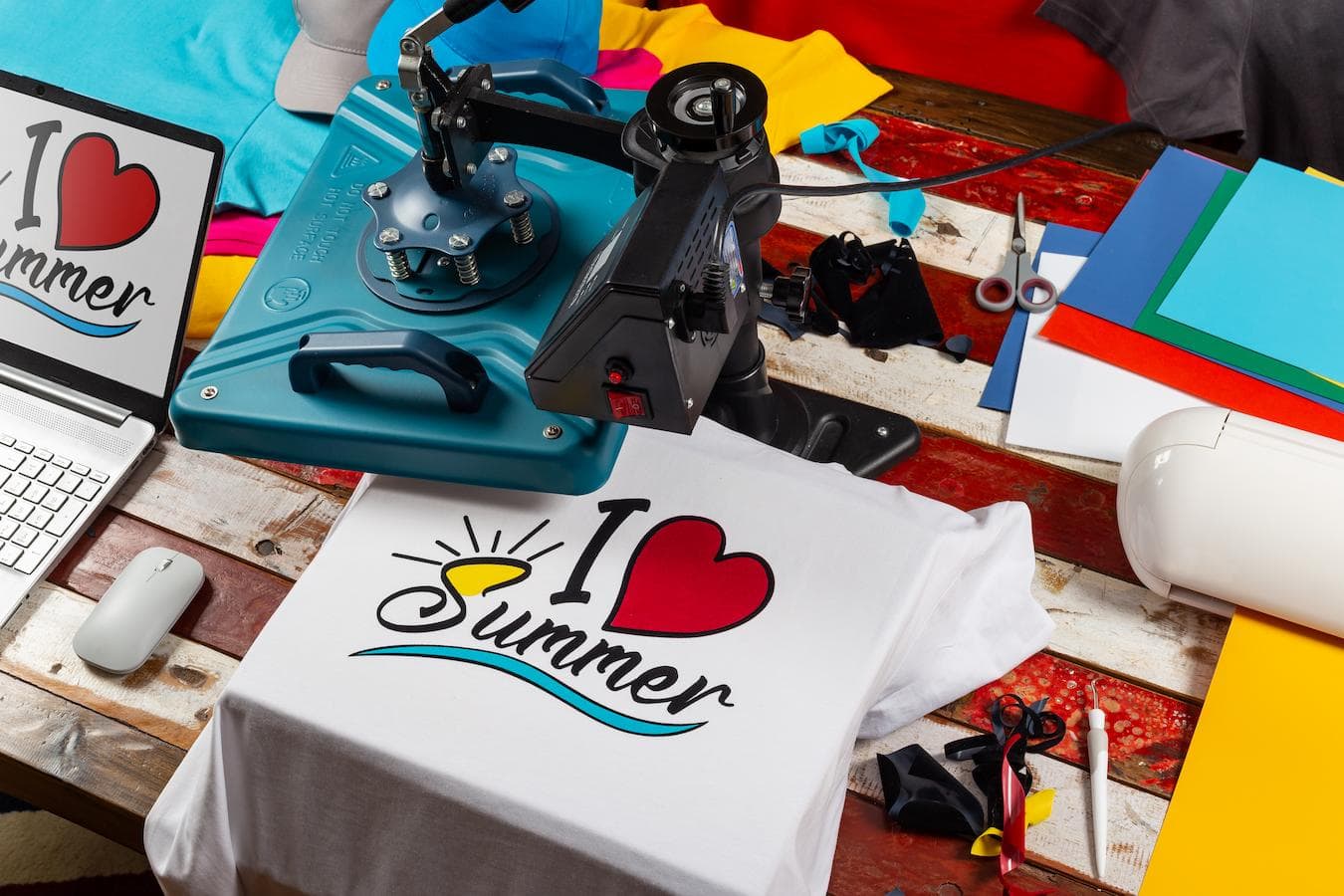
In recent years, corporate organisations across Singapore have begun placing significantly greater emphasis on custom apparel — particularly T-shirt printing — as part of their branding, marketing and operational strategies. What was once considered a simple procurement exercise has evolved into a more structured branding decision, influencing everything from internal culture to external brand perception.
Today, companies are no longer sourcing apparel based solely on price. Instead, they are working with specialised vendors such as ChromaPrint’s custom t-shirt printing printing team to ensure consistent print execution, fabric suitability and scalable production workflows across multiple departments, campaigns and activation initiatives.
This shift reflects a broader trend: apparel is no longer just merchandise — it is brand infrastructure.
Apparel As A Corporate Branding Extension
Modern organisations increasingly view corporate apparel as an extension of their brand identity. From onboarding kits to conference uniforms, printed garments now play a role in shaping first impressions, employee engagement and event visibility.
Businesses investing in long-term staff outfitting programmes often rely on structured vendors offering corporate T-shirt printing services in Singapore to ensure colour accuracy, logo placement consistency and fabric durability across repeat production runs.
Unlike ad-hoc printing jobs, corporate orders require:
– Pantone colour matching
– Size scaling consistency
– Print placement standardisation
– Fabric performance suitability
Without these controls, brand presentation can quickly become fragmented — particularly for organisations running simultaneous campaigns across multiple regions or departments. The team at Chromaprint has has participated in thousands of such projects under the Giftmarket’s wings. on print quality, fabric choice, and production consistency.
Common Challenges Businesses Face with T-Shirt Printing
Corporate buyers often run into issues such as:
- Inconsistent print colours across batches
- Low-quality prints that crack or fade after washing
- Limited fabric options unsuitable for Singapore’s climate
- Vendors who lack understanding of corporate brand standards
These problems are especially common when companies prioritise price over process, or work with suppliers who are not specialised in professional apparel printing.
Working with a Specialist Makes a Difference
This is where working with a dedicated printing specialist becomes important.
At Gift Market, we frequently collaborate with ChromaPrint, our affiliated company that focuses exclusively on apparel and garment printing. Their expertise covers various professional techniques such as silkscreen printing, heat transfer, and premium finishing—methods commonly required by corporate clients who care about durability and brand consistency.
For businesses researching t-shirt printing in Singapore, working with a specialised printer ensures:
- Accurate colour matching to brand guidelines
- Print methods matched to usage (events, uniforms, retail, etc.)
- Better durability for frequent washing and long-term wear
- Scalable production for both small teams and large campaigns
👉 You can learn more about professional t-shirt printing in Singapore through ChromaPrint’s dedicated service pages.
The Rise Of Campaign & Event Merchandise
Beyond internal uniforms, companies are also increasing apparel production for outward-facing campaigns. Product launches, roadshows, marathons and university activations now frequently incorporate printed T-shirts as part of audience engagement strategies.
These initiatives require vendors capable of delivering fast turnaround without compromising print quality. As a result, demand has grown for structured event T-shirt printing solutions that balance speed, scalability and cost efficiency.
Campaign merchandise serves multiple marketing functions:
– Increases on-ground brand visibility
– Creates social media amplification
– Builds attendee memorabilia value
– Extends campaign lifespan beyond the event day
Because of this, organisations are placing greater scrutiny on vendor production workflows, sampling processes and fulfilment reliability.
Printing Methods Now Influence Procurement Decisions
Another key shift lies in how procurement teams evaluate printing techniques. Rather than defaulting to the cheapest method, organisations are selecting print applications based on campaign purpose, fabric type and wear frequency.
For large-volume corporate runs, many brands prefer silk screen printing for corporate apparel due to its cost efficiency and long-term wash durability. The method delivers vibrant colour reproduction and remains one of the most economical solutions for bulk orders.
On the other hand, full-colour artwork and gradient designs often utilise heat transfer or DTF applications, which allow for photographic detail without colour separation limitations.
Embroidery has also grown in popularity for executive uniforms and retail-facing staff, offering a premium finish aligned with hospitality and luxury brand positioning.
This technical understanding among buyers signals a maturing procurement landscape — one where production knowledge directly influences vendor selection.
Fabric Innovation Driving Apparel Demand
Fabric selection has become another focal point in corporate apparel planning. Companies are no longer defaulting to basic cotton tees; instead, they are exploring performance blends that align with staff working environments.
Examples include:
– Moisture-wicking dri-fit materials for outdoor activations
– Sorona® blends for sustainability initiatives
– Heavyweight cotton for retail merchandise
– Stretch fabrics for service uniforms
Vendors capable of advising on fabric compatibility alongside print application — rather than simply executing artwork — are increasingly valued in corporate procurement cycles.
Operational Reliability & Production Workflow
Beyond print quality, operational structure has become a deciding factor when appointing apparel vendors. Corporate buyers now evaluate suppliers based on workflow transparency, sampling processes and delivery assurance.
Vendors showcasing documented production capabilities — such as those featured in past corporate apparel printing projects and case studies — provide stronger procurement confidence, particularly for time-sensitive camp (aigns.
These project portfolios allow organisations to assess:
– Past client scale
– Print execution standards
– Garment variety handled
– Industry experience
For marketing teams managing large activations, this proof of delivery is often as important as pricing itself.
Apparel As Internal Culture Infrastructure
Interestingly, the growth in corporate T-shirt printing is not driven solely by external marketing. Many organisations are investing in apparel to strengthen internal culture and staff engagement.
Orientation programmes, department retreats and milestone celebrations now frequently incorporate custom printed apparel to build team identity and belonging.
Uniformed branding across departments fosters cohesion, while limited-edition staff merchandise has become a tool for morale building — particularly within startups and tech firms.
This internal application has contributed significantly to recurring print demand across the corporate sector.
Sustainability & Responsible Production
Sustainability has also begun influencing apparel procurement decisions. Companies aligned with ESG initiatives are seeking environmentally responsible printing solutions, including:
– Water-based inks
– Organic cotton garments
– Recycled fabric blends
– Low-waste production methods
Vendors able to recommend sustainable garment alternatives — while maintaining print durability — are gaining competitive advantage as corporate responsibility reporting becomes more prominent.
Why Vendor Specialisation Matters More Than Ever
As apparel procurement becomes more complex, organisations are moving away from general printers toward specialised apparel production partners.
Specialist vendors provide:
– Print method consultation
– Artwork optimisation
– Fabric compatibility guidance
– Sampling before mass production
– Structured QC processes
This consultative approach reduces production errors and ensures apparel aligns with both branding and operational objectives
Companies exploring scalable solutions often engage vendors such as ChromaPrint’s T-shirt printing services in Singapore for consultation, prototyping and production planning before rolling out large campaigns.
The Future Of Corporate Apparel In Singapore
Looking ahead, corporate apparel demand is expected to grow alongside experiential marketing, employer branding and hybrid workplace culture.
As companies continue investing in:
– Brand activations
– Staff engagement programmes
– Merchandise retail lines
– Corporate gifting ecosystems
T-shirt printing will remain a central operational function rather than a peripheral procurement task.
Vendors that combine production capability with branding insight — while demonstrating proven delivery through documented case studies and campaign portfolios — will be best positioned to support this evolving demand landscape.
Final Thoughts
Corporate T-shirt printing in Singapore has evolved far beyond basic logo application. It now intersects branding, marketing, HR culture and operational logistics.
As organisations place greater emphasis on apparel quality, print execution and vendor reliability, the role of specialised production partners will only continue to expand — transforming custom apparel from a cost centre into a strategic brand asset.